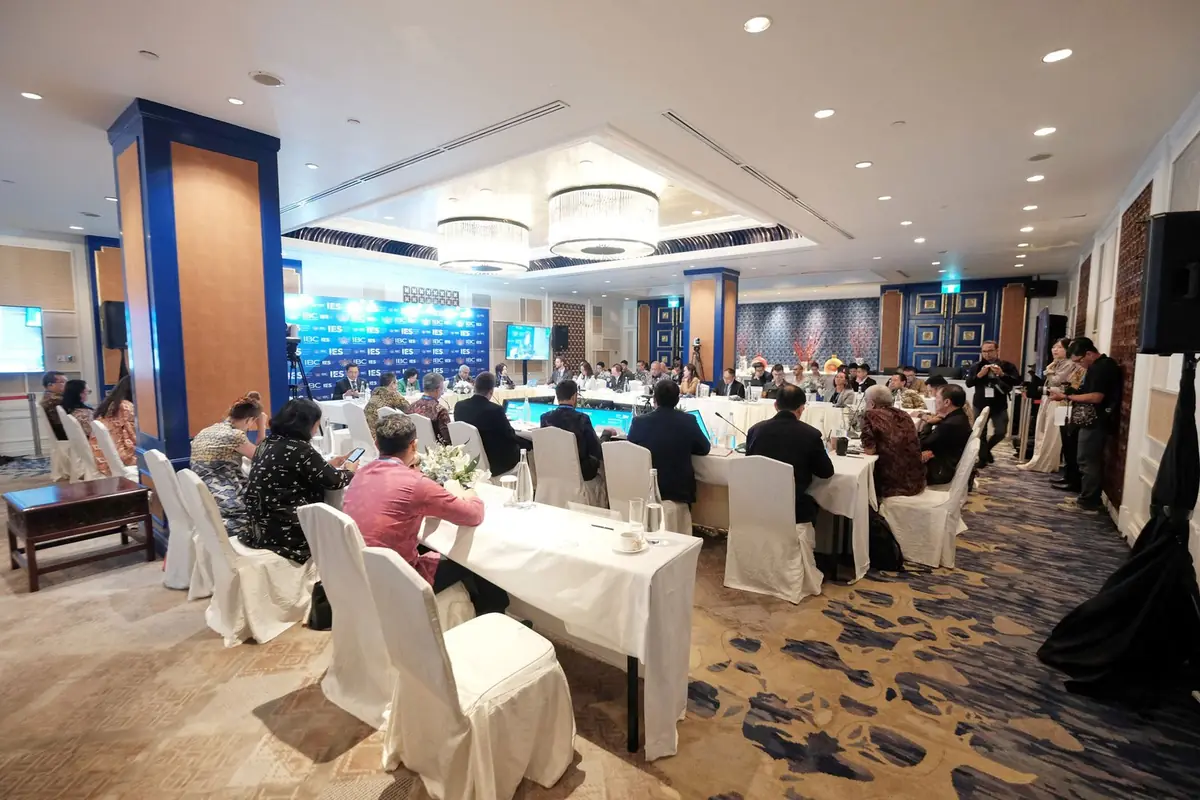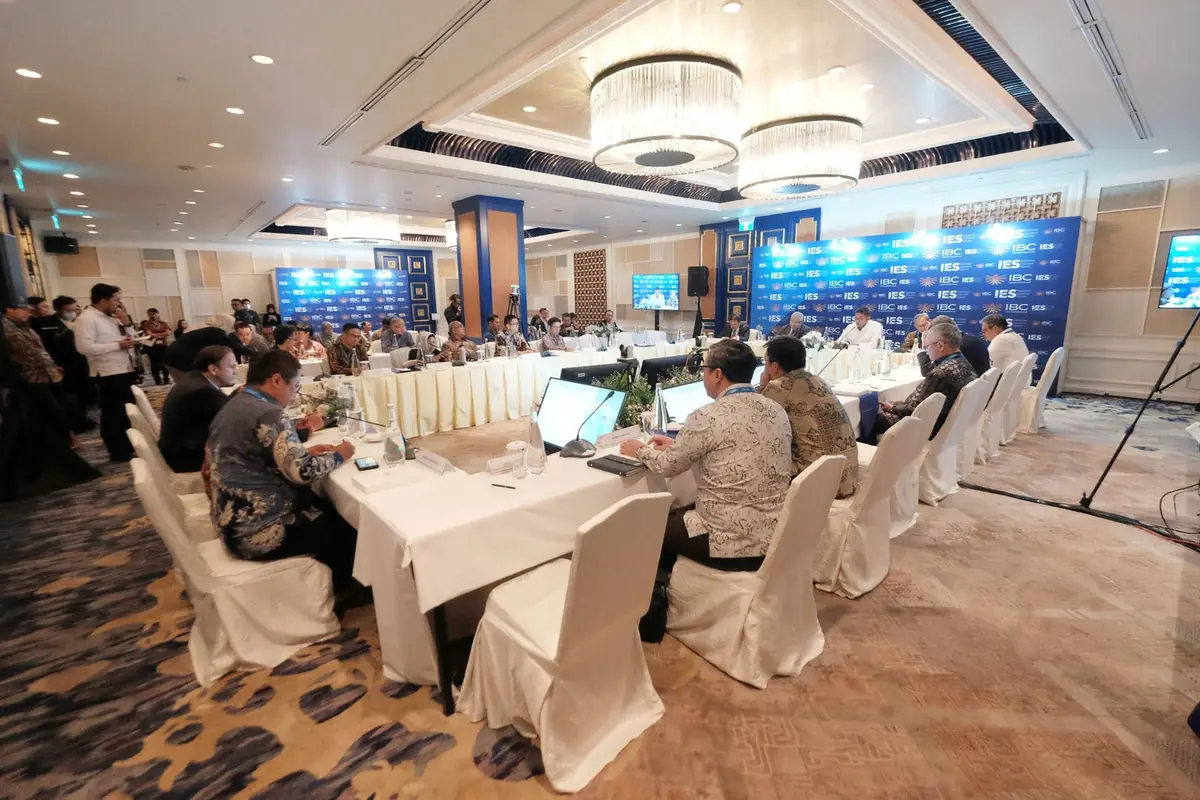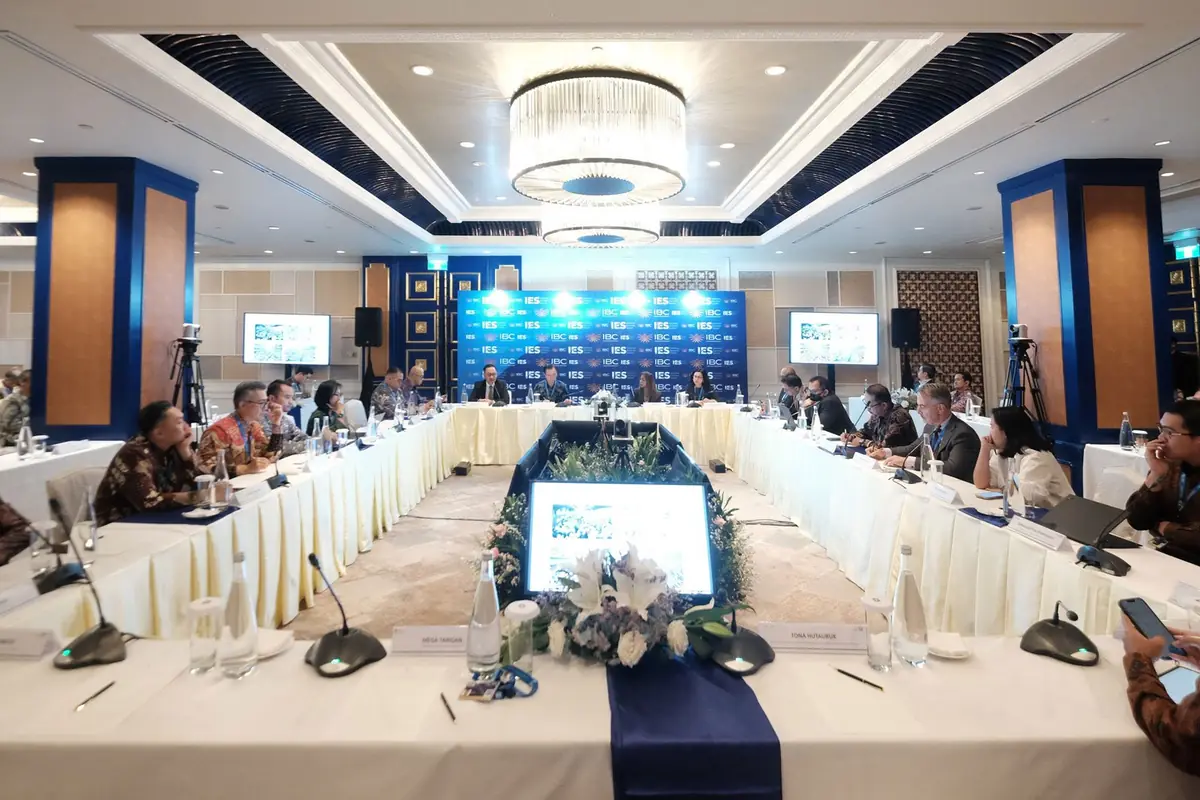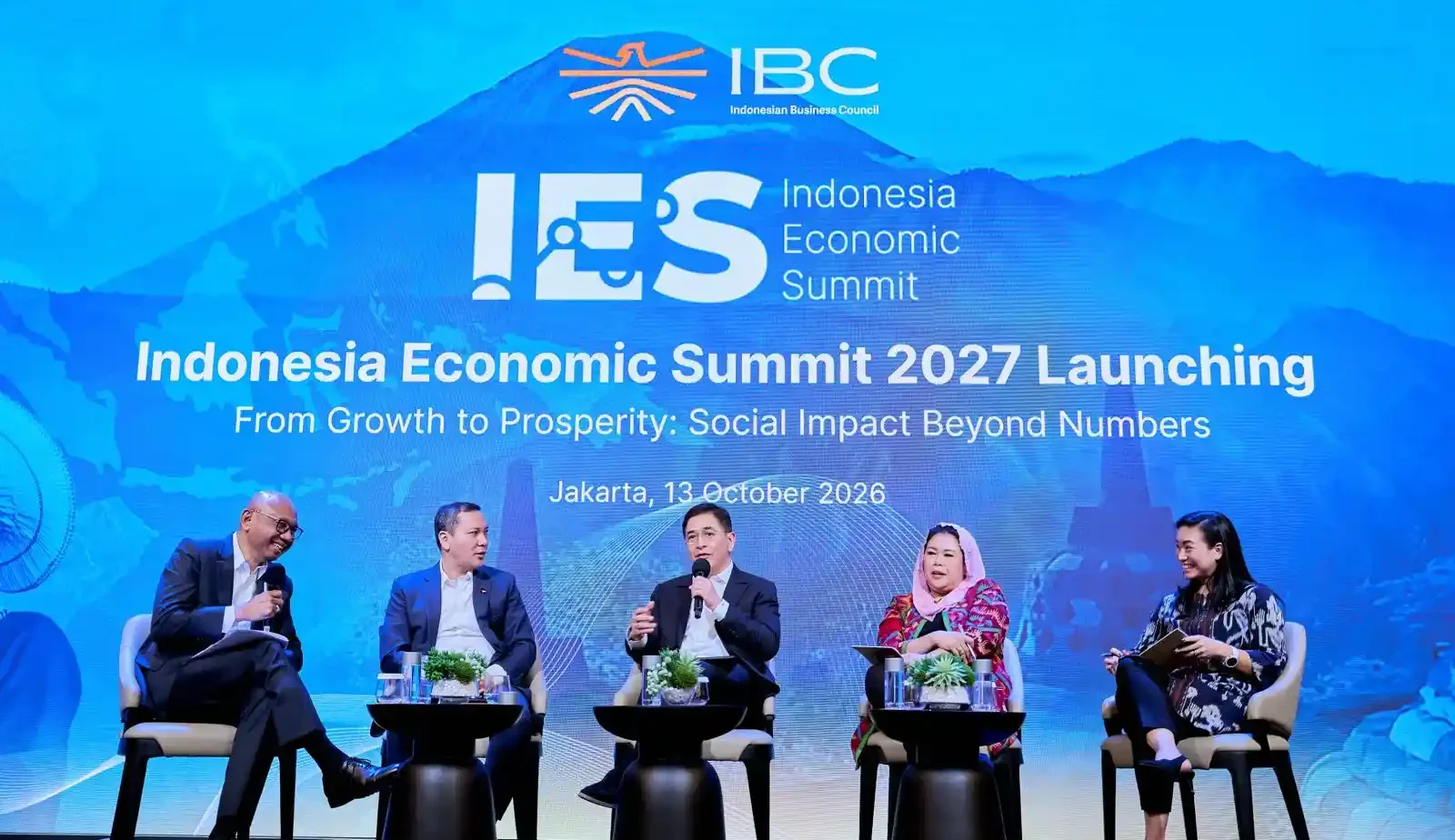
Jakarta, 13 October 2026 — The Indonesian Business Council (IBC), an independent, non-profit association with members from the Indonesian business leaders in the private sector, will host the Indonesia Economic Summit (IES) 2027, which will focus on driving social impact through leveraging economic growth towards better prosperity. Improving prosperity certainly needs to consider real social impacts beyond numbers, including job creation, business development, and increased productivity.
Recently, the Organisation for Economic Co-operation and Development (OECD) raised its projection for Indonesia’s economic growth in 2026 to 5.2% in September, up from its previous forecast of 4.7% in June. The OECD, an international organisation that promotes economic growth, trade, and social well-being, has recognised Indonesia’s resilience amid a global economic slowdown. In the second half of the year, the Indonesian Government is targeting economic growth of up to 6%, taking into account several indicators, including inflation at 3.28% and credit growth of approximately 13.65%. However, the quality of economic growth should ultimately be assessed based on its impact on employment, income, productivity, and economic opportunities.
Under the theme “From Growth to Prosperity: Social Impact Beyond Numbers,” IES 2027 will bring together government representatives, business leaders, policymakers, civil society, and other stakeholders. The summit will explore how investment and economic growth can generate stronger economic and social outcomes. This launch marks the beginning of a series of initiatives leading up to IES 2027 in April 2027.
IBC Chair of the Board of Trustees, Arsjad Rasjid emphasised the importance of social impact as a measure of economic growth. “Growth and investment must strengthen businesses, boost productivity, and create jobs that offer better incomes. Through IES 2027, we aim to encourage collective action to ensure that the benefits of growth are shared more widely across society,” said Arsjad.
The business sector therefore plays a crucial role in expanding the benefits of economic growth. As companies grow, the economic impact from their business extends beyond direct employment to include suppliers, distributors, contractors, service providers, and small businesses that form part of its value chain.
IBC CEO Sofyan A. Djalil said that IES 2027 would broaden the economic discussion beyond simply pursuing growth targets. “GDP remains an important indicator of economic direction, but prosperity cannot be measured by a single figure. We also need to look at the jobs created, productivity, people's incomes, business opportunities, and their ability to improve their standard of living. These are the aspects we aim to place greater emphasis on at IES 2027,” said Sofyan.
Discussions at the launch of IES 2027 focused on which indicators, beyond GDP, should be considered to assess whether economic progress is genuinely improving people’s lives. IES 2027 will also explore how economic growth can create jobs, reduce inequality, expand opportunities, and improve living standards.
Arsjad emphasised that this agenda does not diminish the importance of economic growth. On the contrary, Indonesia needs stronger growth to enable companies to invest, expand their capacity, and create more economic opportunities. “Growth and prosperity are not two separate agendas. What we need to build is a stronger connection between the two. When businesses grow, workers advance, local enterprises gain opportunities, and families earn better incomes, that is when growth begins to drive prosperity,” said Arsjad.
The launch of IES 2027 also marks the beginning of a series of engagements with the business community, strategic partners, international organisations, civil society, and other stakeholders ahead of the summit. IBC aims to position IES 2027 as a platform for the government, business sector, and society to bring together diverse perspectives and foster collaboration to strengthen the impact of economic development.